>

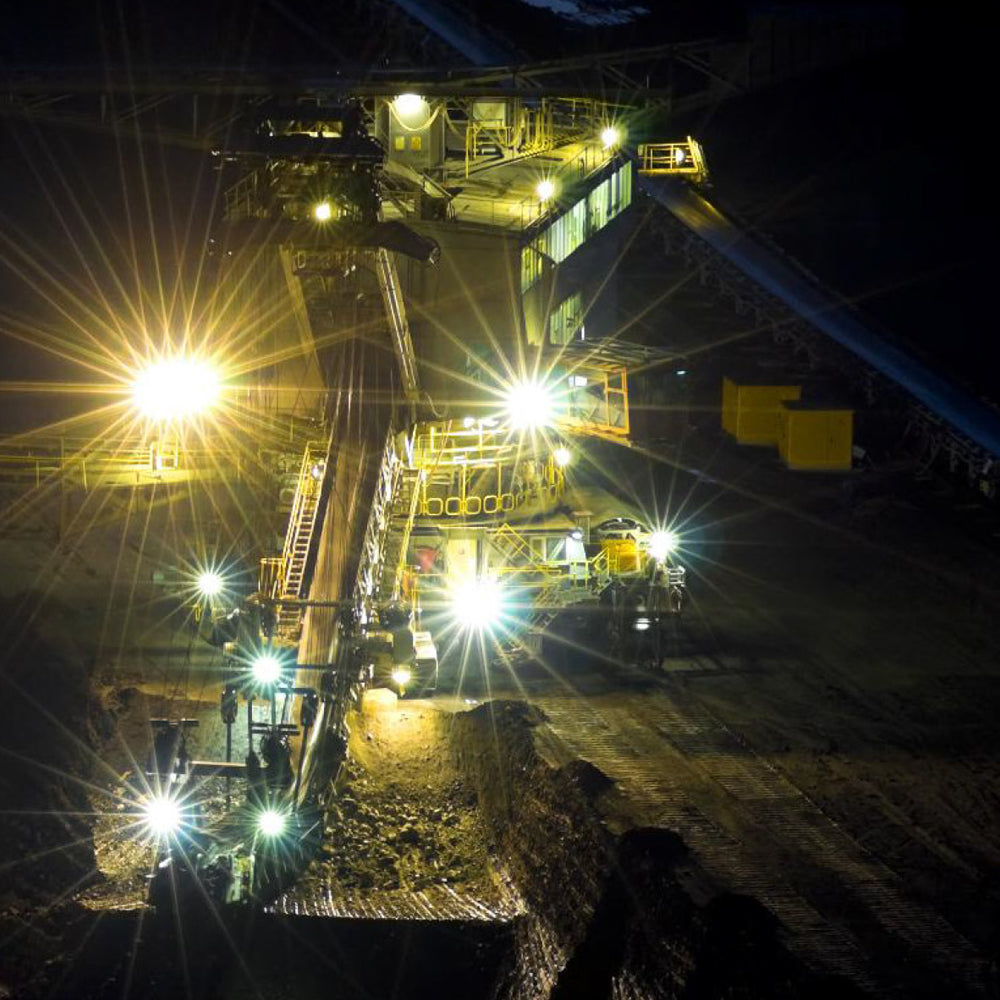
The Solar Explosion-Proof Flood Light is designed for hazardous and industrial environments, offering a safe and reliable lighting solution in areas without electricity. Powered entirely by solar energy, it reduces reliance on the power grid and lowers operational costs. Built with durable materials, this light can withstand harsh weather, making it ideal for outdoor use. With a high-capacity rechargeable lithium battery, the light provides long-lasting illumination, perfect for remote locations. Easy to install in under 10 minutes, it’s widely used in hazardous areas such as oil fields, chemical plants, gas stations, and construction sites, as well as in warehouses and mining areas where there is no access to the power grid.
Watts measure power consumption, while lumens measure light output. Higher wattage doesn't always mean brighter light—lumens matter more for brightness.
It depends on the application. For example, small signs need around 3.4 watts, while large billboards may need up to 25 watts. Pathways usually need 15–25 watts, and parking lots or highways may require up to 70 watts.
Yes. Most LEDs range from 3000K to 5000K. Coastal areas may need turtle-friendly lighting, which impacts wattage and output.
These controls adjust brightness based on activity. They reduce power use during inactive times while maintaining safety and visibility.
They define how light spreads. Type II is ideal for paths and roads; Type III and IV suit parking lots and larger areas.
Always work with a solar lighting specialist. They’ll help ensure the fixture meets both lighting and solar power requirements efficiently.